As the United States enters 2026, the Islamic State and Al Qaeda continue to pose a persistent and evolving threat to homeland security, characterized by decentralized operations, sophisticated propaganda, and ongoing attempts to inspire lone-wolf attacks. Despite territorial losses in the Middle East, both groups' global influence endures through sophisticated training pipelines, affiliate organizations, and online radicalization, demanding vigilant monitoring by both public- and private-sector entities engaged in risk management and intelligence sharing.
The two groups' propaganda apparatuses have adapted to post-caliphate realities, emphasizing cyber insurgency, strategic camouflage, and appeals to disaffected individuals via social media and encrypted platforms.
Recent trends indicate a notable increase in ISIS propaganda, including multimedia content such as posters glorifying high-profile attacks and explicitly encouraging "lone wolf" operations. This strategy appears highly effective in radicalizing individuals.
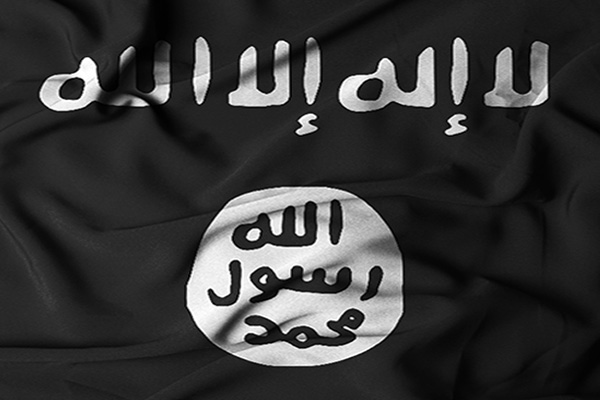
Australian authorities, including Prime Minister Anthony Albanese and New South Wales Police, have officially classified the December 2025 Bondi Beach attack—which targeted a Hanukkah celebration—as an ISIS-inspired terrorist incident. The intensity of the ideology (and hatred) is evident in the fact that it motivated a father-son duo to commit such a horrific act. While self-martyrdom alone is extreme, involving one's own child in such violence profoundly contradicts fundamental human instincts. Further supporting the ISIS connection, homemade Islamic State flags and improvised explosive devices were discovered in the vehicle used by the perpetrators.
Readers are reminded that official Islamic State publications and social media channels celebrated the Bondi Beach attack. In its weekly newsletter Al-Naba dated December 18, the Islamic State hailed the father-son perpetrators as "heroes" and "the pride of Sydney," praising their independent response to the group's global calls to target Jews. This messaging is now being used to urge further violence.
Homeland Pressure
Domestically, the FBI disrupted a New Year's Eve plot in Mint Hill, NC, where an 18-year-old suspect allegedly pledged allegiance to the Islamic State and planned a knife-and-hammer assault on a grocery store and fast-food restaurant, aiming to target religious and gay groups.
This follows other ISIS-inspired plans, attacks, and plots, including the killing of two US soldiers and a US civilian contractor in Syria by a gunman believed affiliated with ISIS, a foiled plot targeting Halloween celebrations in Dearborn, Michigan, and the January 1, 2025, New Orleans truck ramming attack.
Though the holidays have passed, U.S. government advisories continue to reinforce the need for a cautious posture. DHS describes a "dynamic and diffuse" terrorist landscape. The House Committee on Homeland Security's updated Terror Threat Snapshot, released mid-December, highlights supercharged online extremism enabling ISIS to inspire domestic violence without direct involvement.
While the domestic threat level is clearly elevated, there were no new National Terrorism Advisory System bulletins issued over the holidays. The conservative outlook anticipates no immediate decline in threats, given ISIS's adaptive resilience. Continued caution and vigilance are urged, particularly in large gatherings and unsecured public venues.
|