The United States is amassing its largest military presence in the Middle East region since the 2003 Iraq invasion, poised for potential action against Iran amid stalled nuclear negotiations. This buildup reflects a resolute stance against Tehran's ballistic missile program and uranium enrichment, with President Trump warning of "bad things" if no deal is reached within 10-15 days. For law enforcement and intelligence professionals in the U.S., this development demands heightened awareness of global ripple effects, including potential proxy retaliation in the homeland.
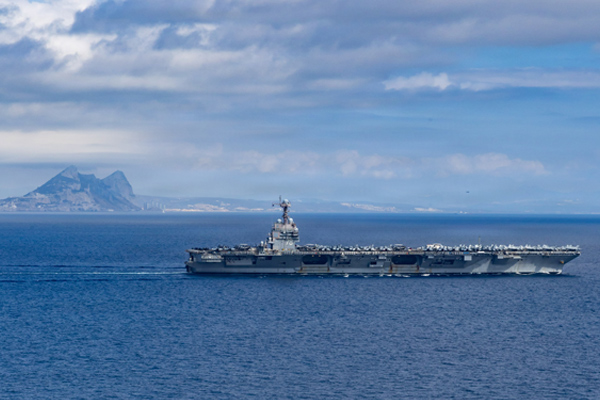
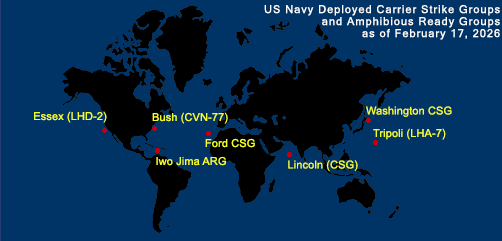
Two aircraft carrier strike groups are now in the Gulf region. The USS Abraham Lincoln is in the Arabian Sea, along with three Arleigh Burke-class guided-missile destroyers, at least one sub, supply ships, and more. The USS Gerald R. Ford is in the Mediterranean, also accompanied by guided missile cruisers, destroyers, supply ships, and an attack submarine. Over 120 aircraft, including F-35 stealth fighters, F/A-18 Super Hornets, and EA-18G Growlers, have surged into the area in just the past week or so, supported by refueling tankers, cargo planes, and surveillance drones. This combined force, the most substantial airpower assembly in decades, enables sustained operations, potentially lasting weeks.
In addition to the normal collection of Persian Gulf regional allies, other nations hosting U.S. military assets and personnel in this buildup include Turkey, Bulgaria, Cyprus, Uzbekistan, Kyrgyzstan, and Turkmenistan, which forms most of Iran's northern border.
Iran's response has been aggressive, with Supreme Leader Ayatollah Ali Khamenei and IRGC commanders issuing explicit threats to strike U.S. bases, personnel, and assets across the region, including in Iraq, Syria, and the Gulf states. Tehran vows overwhelming retaliation via missiles, drones, and proxy forces, potentially closing the Strait of Hormuz and targeting American troops in vulnerable outposts.
As reported last week, the stakes in this standoff extend far beyond regional borders. The Islamic Revolutionary Guard Corps and its proxy, Hezbollah, have established a concerning footprint in Mexico and the United States, leveraging diaspora communities, criminal networks, and diplomatic channels to enable potential asymmetric operations if the U.S. strikes Iran.
Hezbollah maintains these networks for fundraising through drug trafficking, money laundering, and arms smuggling, often in partnership with cartels like Los Zetas and Sinaloa.
In the U.S., Hezbollah operatives have been embedded in communities such as Dearborn, Michigan, and Charlotte, North Carolina for some time, engaging in schemes like cigarette smuggling and credit card fraud to finance operations.
As the specter of conflict looms larger over the Middle East, law enforcement and intelligence professionals here at home must remain vigilant. Global tensions are knocking at America's door.
|