Early this morning, Saturday, February 28, AlertsUSA subscribers were informed that the US and Israel had launched preemptive strikes on multiple targets inside Iran, including within the capital. Multiple explosions were reported in the Iranian capital and other locations, with smoke plumes visible and air defenses activated. Israeli Defense Minister Israel Katz described the operation—codenamed "Shield of Judah"—as a "preemptive strike to remove threats to the State of Israel." President Trump announced in a video statement that the US had begun "major combat operations" in Iran to "eliminate imminent threats from the Iranian regime" and defend American lives.
This follows directly from the alerts issued earlier in the week: On Monday, AlertsUSA subscribers were informed of the US Embassy in Beirut's security alert authorizing the departure of non-emergency US government employees and families from Lebanon due to rising US-Iran tensions and Hezbollah threats to strike Israel if Iran were attacked.
Israel began shaping operations just days later, with Thursday airstrikes targeting Hezbollah weapons storage, missile launchers, and military sites in southern Lebanon. Bomb shelters opened across Israel, with municipalities in southern and central areas—including Dimona and Beersheba—proactively ordering public shelters open amid fears of retaliation.
Early Friday, AlertsUSA notified subscribers of a security alert issued by the US Embassy in Jerusalem, authorizing departures of non-emergency personnel and families while emphasizing the need to leave Israel while commercial flights remain available.
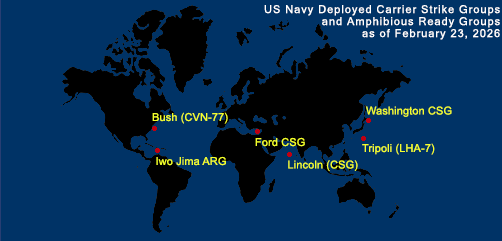
The strikes on Iran come amid the US's ongoing military posture shift: a massive regional buildup combined with precautionary withdrawals to reduce vulnerabilities. US naval forces remain formidable, with the USS Abraham Lincoln in the Arabian Sea and the USS Gerald R. Ford near Israel's waters in the eastern Mediterranean, supported by destroyers, cruisers, submarines, and logistics vessels. Over 150 combat aircraft, tankers, tankers, AWACS, and drones—have surged to theater bases, forming one of the largest US air power concentrations in recent history.
Iran's response is anticipated to be severe. Supreme Leader Ayatollah Ali Khamenei and IRGC commanders have long threatened strikes on US assets and bases region-wide if attacked, with recent drills demonstrating missile, drone, and naval power—including potential Strait of Hormuz closure or proxy unleashing. Iranian officials now vow a"crushing retaliation." Israel has declared a nationwide state of emergency, closed airspace, and issued proactive alerts for incoming missiles/drones.
For US law enforcement and intelligence professionals, the homeland risk remains acute: Iran's IRGC and Hezbollah maintain networks in the Western Hemisphere, including Mexico and US communities, poised for asymmetric threats—surveillance, disruption, or attacks—if full conflict erupts.
With diplomacy collapsed and direct US-Israel strikes now underway, heightened vigilance is essential for those protecting the US homeland.
|